Classic Homemade Margherita Pizza
Classic Homemade Margherita Pizza is a beloved Italian dish that features a perfect balance of flavors and freshness. This pizza highlights the simplicity of quality ingredients like ripe tomatoes, creamy mozzarella, and fragrant basil. Originating from Naples, Margherita pizza is not only delicious but also visually appealing with its vibrant colors. It's ideal for any occasion, from a casual family dinner to a festive gathering. What sets this pizza apart is its authentic taste and the satisfaction of creating it from scratch in your own kitchen.

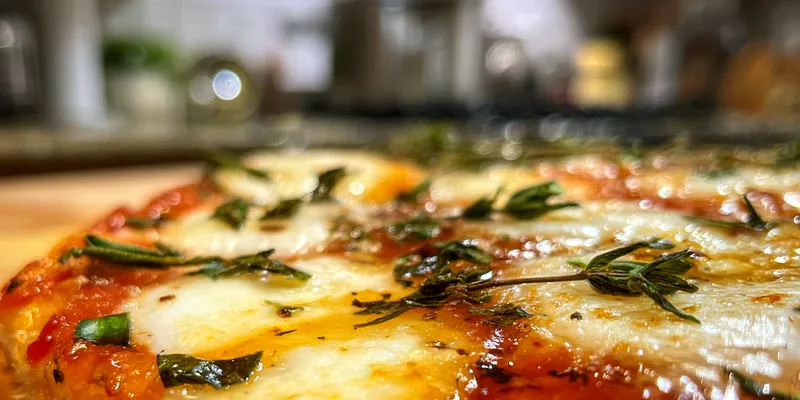
Why This Classic Homemade Margherita Pizza Works
This Classic Homemade Margherita Pizza recipe is all about simplicity and technique. The key is to use high-quality ingredients, especially the tomatoes and mozzarella, which elevate the overall flavor. The dough, when kneaded properly and allowed to rise, creates a light and airy crust that perfectly complements the toppings. Baking at a high temperature ensures a crispy base while keeping the cheese gooey and delicious. Following these steps guarantees a pizza that rivals those found in authentic Italian pizzerias.
What makes this Margherita pizza truly special is its emphasis on fresh ingredients and the traditional preparation methods. The balance of tangy tomatoes, creamy mozzarella, and aromatic basil creates a harmonious flavor profile that's both simple and elegant. Additionally, the bright colors of the ingredients reflect the Italian flag, honoring the dish's heritage. This pizza is a perfect choice for those who appreciate the beauty of straightforward recipes that deliver incredible taste without complicating the cooking process.
💡 Professional Tip
For the best results, use a pizza stone that has been preheated to the maximum temperature of your oven. This helps to achieve a crispy crust that is golden brown on the outside while remaining soft inside. Additionally, consider using San Marzano tomatoes for the sauce, as they are sweeter and less acidic than regular tomatoes. Don't overload your pizza with toppings; less is more when it comes to a classic Margherita. Finally, let your pizza cool for a few moments before slicing to allow the cheese to set slightly.
Frequently Asked Questions
Yes, you can prepare the dough ahead of time. After kneading, place it in the refrigerator for up to 24 hours before use. Just remember to let it come to room temperature for about 30 minutes before shaping. You can also prep the sauce a day in advance and store it in the fridge. However, it's best to bake the pizza fresh for optimal texture and flavor.
You can substitute all-purpose flour with bread flour for a chewier crust. If fresh mozzarella is unavailable, low-moisture mozzarella will work, although the texture will differ slightly. For a gluten-free option, use a gluten-free pizza crust mix. Additionally, feel free to add toppings like arugula or prosciutto to customize your pizza to your taste. Just remember that traditional Margherita focuses on the core ingredients.
The pizza is done when the crust is golden brown and the cheese is bubbling. If using a pizza stone, the bottom should feel firm and crispy. You can also check for a slight char on the edges, which adds flavor. If you have an instant-read thermometer, the internal temperature should reach 200°F (93°C).
Yes, you can freeze the dough before it rises. Wrap it tightly in plastic wrap and store it in the freezer for up to 3 months. When ready to bake, thaw it in the refrigerator overnight and let it rise before shaping. You can also freeze baked pizza slices in an airtight container, reheating them in the oven for best results.
Pair your Margherita pizza with a fresh arugula salad drizzled with balsamic vinaigrette for a refreshing complement. A simple antipasto platter with olives, cured meats, and cheeses also makes an excellent side. For drinks, consider serving it with a light Italian white wine or a crisp citrus soda. These pairings enhance the dining experience without overwhelming the classic flavors of the pizza.
Baked pizza can be stored in the refrigerator for up to 3 days in an airtight container. For longer storage, consider freezing the leftovers. Uncooked dough can be kept in the fridge for about 3 days, while frozen dough is best used within 3 months. Be sure to label your containers with the date for easy tracking.
To adjust the spice level, add red pepper flakes to the tomato sauce before spreading it on the dough. Alternatively, you can sprinkle some on top of the pizza before baking. For a milder flavor, omit any added spices and focus on the fresh ingredients instead. Experimenting with spices allows you to tailor the pizza to your preferences.
The best way to reheat pizza is in the oven to maintain its crispiness. Preheat your oven to 375°F (190°C) and place the pizza directly on the oven rack or a baking sheet for about 10-15 minutes. You can also use a skillet on medium heat for a few minutes to re-crisp the bottom while warming the cheese. Avoid using the microwave, as it tends to make the crust soggy.
Recipe Troubleshooting Guide
Too Dry
Problem: If your pizza crust turns out dry, it may be due to over-kneading or not enough moisture in the dough.
Solution: Next time, reduce the kneading time or add a little extra water to the dough. Ensure you're measuring your flour accurately, as too much can lead to dryness. A properly hydrated dough should be slightly sticky but manageable.
Not Crispy
Problem: If your pizza isn't crispy, it could be due to insufficient oven temperature or too much sauce.
Solution: Make sure your oven is preheated to at least 475°F (245°C) and consider baking the pizza directly on a hot pizza stone. Use a light hand when applying sauce to allow the crust to crisp up properly.
Overcooked
Problem: Overcooking can result in a pizza with a burnt crust and dried-out cheese.
Prevention: Keep an eye on your pizza as it bakes, especially after the 10-minute mark. If your oven tends to cook unevenly, rotate the pizza halfway through the baking time to promote even cooking.
Undercooked
Problem: An undercooked pizza will have a doughy texture and may not be appealing.
Recovery: If this happens, return the pizza to the oven for a few more minutes. Check the bottom of the crust; it should be firm and golden brown. Consider lowering the oven temperature slightly if the top browns too quickly.
Burnt
Problem: A pizza that burns easily can be frustrating and disappointing.
Prevention: To prevent this, ensure your oven is properly calibrated and avoid using the highest setting unless necessary. Keep an eye on the pizza while it bakes, and consider baking it on a lower rack for more control over the cooking process.
Flavor Balance
Too Sweet: If your pizza tastes too sweet, it may be due to the sauce or added sugar.
Too Salty: Conversely, if it's too salty, the cheese or additional seasonings might be the culprit.
Bland: If the flavor feels bland, try adding more seasoning to the sauce or fresh basil before baking.
Key Ingredients
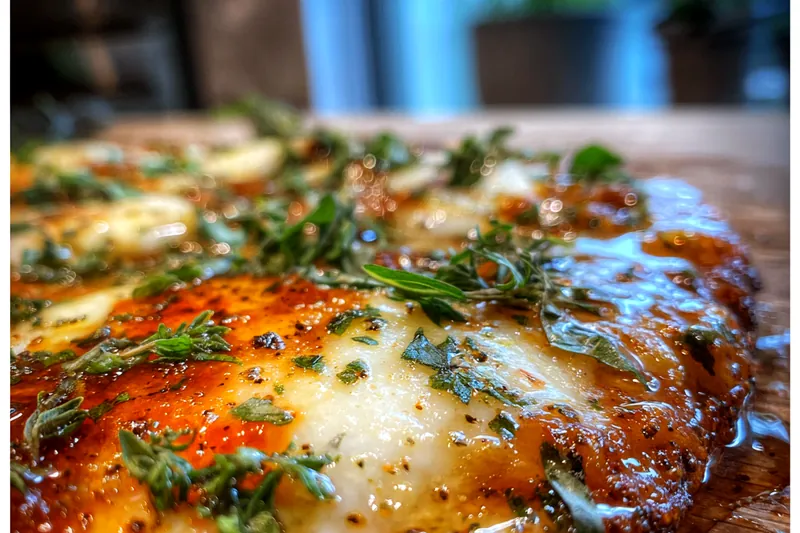
The main ingredients for Classic Homemade Margherita Pizza are all about quality and freshness. Start with all-purpose flour for the dough, which should be finely milled for the best texture. Fresh mozzarella cheese is essential, providing a creamy texture that melts beautifully when baked. The crushed tomatoes used in the sauce should be ripe and flavorful, preferably San Marzano for their sweetness. Lastly, fresh basil leaves not only add visual appeal but also contribute a fragrant aroma that elevates the entire dish.
Seasonings play a crucial role in enhancing the flavors of your pizza. Use just a sprinkle of salt and pepper to season the sauce, allowing the natural sweetness of the tomatoes to shine through. Dried oregano adds an earthy note that complements the fresh ingredients perfectly. For an extra boost of flavor, consider drizzling the pizza with high-quality extra virgin olive oil just before serving. This finishing touch enhances the pizza's richness and adds depth to each bite.
Essential Ingredient Notes
- Main Ingredient: Always opt for high-quality flour when making pizza dough. A higher protein content in bread flour can result in a chewier crust. If you're looking for a more traditional approach, using '00' flour commonly found in Italian markets will give you an authentic taste and texture.
- Second Key Ingredient: Fresh mozzarella should be used for its creamy texture and mild flavor. When selecting mozzarella, look for a product packed in water for optimal freshness. If using low-moisture mozzarella instead, be mindful of the amount, as it is saltier and less creamy than fresh mozzarella.
- Essential Seasoning: Extra virgin olive oil is crucial for drizzling on the pizza just before serving. It adds a rich flavor that enhances the overall taste of the dish. Use a good quality oil to ensure the best flavor, and consider using one infused with garlic or herbs for added depth.
Cooking Process
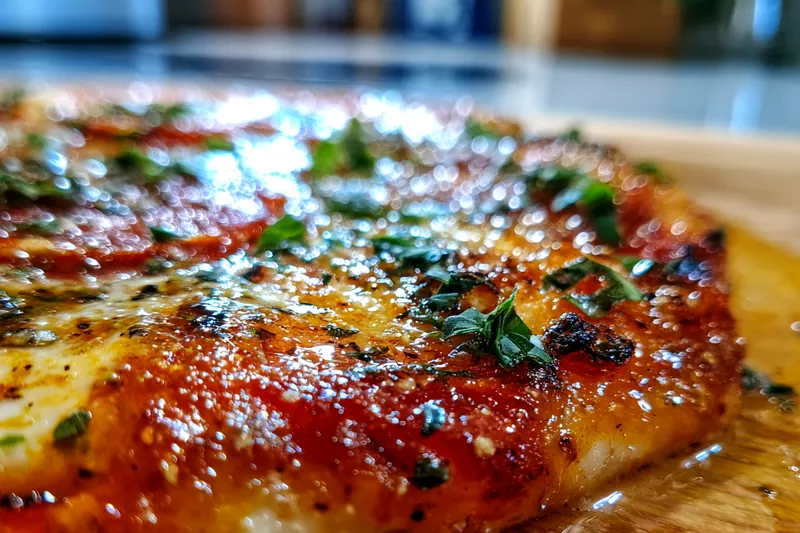
The cooking process for Classic Homemade Margherita Pizza begins with preparing the dough and allowing it to rise properly. Once the dough is ready, rolling it out into a perfect circle is essential for even cooking and presentation. Next, carefully add the sauce, ensuring you don’t overload it to keep the crust from becoming soggy. After arranging the mozzarella and basil, it’s time to transfer your creation to the preheated oven.
As the pizza bakes, the high temperature will create a beautiful crust that is both crispy and chewy. The cheese will melt and bubble, offering an inviting aroma that fills your kitchen. Keep a close eye on the pizza, and once the crust is golden brown and the cheese is perfectly melted, remove it from the oven. Allow it to cool slightly before slicing, which helps the cheese set a bit and makes for cleaner slices.
Key Technique
A key technique in making Classic Homemade Margherita Pizza is achieving the right dough texture. When kneading, aim for a smooth and elastic consistency, which can be tested by stretching the dough without tearing. It’s important to let it rise sufficiently, as this fermentation process develops flavor and creates air pockets for a light crust. Baking at a high temperature not only cooks the pizza quickly but also results in a crispy base, making for an authentic pizzeria-style experience. Mastering this technique will allow you to create pizzas that are sure to impress.
Classic Homemade Margherita Pizza
📋 Ingredients
Main Ingredients
- 1 cup crushed tomatoesfor the pizza sauce
- 1 teaspoon sugarto balance acidity
- 1/2 teaspoon black pepperfor seasoning
- 1/2 teaspoon dried oreganofor flavor
Sauce/Seasoning
- 2 cups all-purpose flourfor the dough
- 1 teaspoon active dry yeastfor rising
- 3/4 cup warm waterto activate yeast
- 1 teaspoon saltfor flavor
- 1 tablespoon olive oilto enrich dough
- 8 ounces fresh mozzarella cheese, slicedfor topping
- 1/4 cup fresh basil leavesfor garnish
Instructions
Prepare the Dough
In a large bowl, combine the warm water and yeast. Let it sit for about 5 minutes until foamy, then add flour, salt, and olive oil. Mix until a dough forms, then knead for about 5-7 minutes until smooth.
Let the Dough Rise
Place the kneaded dough in a lightly greased bowl, cover it with a cloth, and let it rise in a warm area for about 1 hour or until doubled in size.
Prepare the Sauce
In a small saucepan, combine the crushed tomatoes, sugar, black pepper, and oregano. Simmer on low heat for about 10 minutes to enhance the flavors.
Preheat the Oven
Preheat your oven to 475°F (245°C) and place a pizza stone or baking sheet inside to heat up.
Shape the Dough
Once the dough has risen, punch it down and transfer it to a floured surface. Roll it out into a 12-inch circle, making sure the edges are slightly thicker for the crust.
Assemble the Pizza
Spread a thin layer of the prepared sauce over the dough, leaving a small border. Top with slices of fresh mozzarella and sprinkle with fresh basil leaves.
Bake the Pizza
Carefully transfer the pizza to the preheated stone or baking sheet. Bake for 12-15 minutes, or until the crust is golden and the cheese is bubbly.
Finish and Serve
Once baked, remove the pizza from the oven and drizzle with extra olive oil. Let it cool for a few minutes before slicing and serving.
Recipe Notes & Tips
Storage Tips
To maintain the freshness of your pizza, store any leftovers in an airtight container in the refrigerator for up to 3 days. If you want to keep the pizza longer, consider freezing slices in a freezer-safe bag. When ready to eat, reheat in the oven for the best results, avoiding the microwave to prevent sogginess. Proper storage ensures that you can enjoy your delicious Margherita pizza even days later.
Serving Ideas
Classic Homemade Margherita Pizza pairs beautifully with a light salad or antipasto platter. A simple arugula salad with lemon vinaigrette enhances the pizza's flavors and adds freshness. If you're hosting a gathering, consider serving it alongside a selection of Italian wines and cheeses for a full Italian dining experience. This way, every bite is complemented perfectly by the sides.
Variations
Feel free to customize your Margherita pizza with additional toppings such as prosciutto, arugula, or olives for extra flavor. For a spicy kick, add crushed red pepper flakes or jalapeños. If you're craving a twist, try a white pizza version with ricotta cheese and garlic. These variations can take your Classic Homemade Margherita Pizza to new heights while still honoring its traditional roots.