Coleslaw
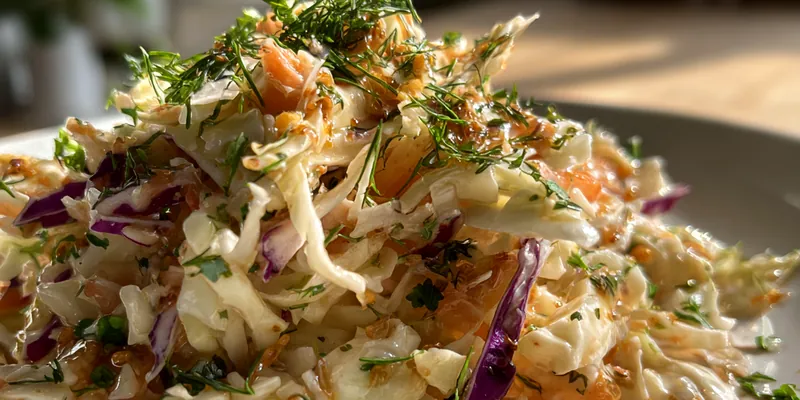
Coleslaw is a classic American side dish that's known for its crunchy texture and tangy flavor. Originating in the Netherlands, it has evolved into a staple at barbecues, picnics, and potlucks across the United States. This recipe combines green and red cabbage for a beautiful presentation, while the creamy dressing brings all the flavors together. It’s not just delicious; coleslaw is also a great way to enjoy fresh vegetables. Perfectly balancing sweet and savory, this dish is sure to be a crowd-pleaser.

Why This Coleslaw Works
This coleslaw recipe strikes the perfect balance between crunch and creaminess. The combination of green and red cabbage not only offers vibrant color but also adds varied textures to the dish. The dressing is a harmonious blend of creamy mayonnaise and tangy apple cider vinegar, which complements the cabbage beautifully. Additionally, the sweetness from the sugar and the warmth of celery seed provide depth of flavor, making this coleslaw truly special.
What sets this coleslaw apart is its versatility. Whether served alongside grilled meats or as a topping for sandwiches, it adapts to various meals effortlessly. The freshness of the vegetables combined with the creamy dressing makes it a refreshing choice, especially in warmer months. Plus, it's easy to prepare and can be made ahead of time, allowing you to enjoy your gatherings without fuss.
💡 Professional Tip
For the best coleslaw, make sure to use fresh, crisp vegetables. If possible, shred the cabbage and carrots just before mixing to maintain their crunch. Allowing the coleslaw to chill in the refrigerator for at least 30 minutes helps the flavors meld and enhances the overall taste. Don't hesitate to experiment with additional ingredients like apples or raisins for a sweet twist, or spice it up with a hint of cayenne pepper.
Frequently Asked Questions
Absolutely! Coleslaw can be made a day in advance. In fact, making it ahead allows the flavors to develop even more. Just remember to keep it stored in an airtight container in the refrigerator. However, if you plan to add ingredients that may wilt, like green onions, it's best to add those just before serving to maintain freshness.
If you're looking for substitutions, consider using a mix of different cabbages like Napa or Savoy for a unique flavor. For a lighter option, you can substitute Greek yogurt for some or all of the mayonnaise. Adding sliced bell peppers or shredded broccoli can also enhance the nutritional value while adding a nice crunch. Don't be afraid to get creative with the ingredients!
Coleslaw is done when the vegetables are well coated in the dressing and have had time to chill. The flavors should be balanced, with a hint of sweetness and tanginess. Give it a taste after chilling; if you feel it needs more seasoning or acidity, adjust accordingly. The vegetables should still retain their crunch, so avoid letting them sit too long in the dressing before serving.
It's not recommended to freeze coleslaw, as the texture will change once thawed. The cabbage will become mushy, and the dressing may separate. However, if you have leftover dressing, you can freeze that and use it later. For the best quality, enjoy your coleslaw fresh, or store leftovers in the refrigerator for a couple of days.
Coleslaw pairs wonderfully with grilled meats like burgers, hot dogs, and barbecue chicken. It also makes a great topping for sandwiches, adding crunch and flavor. Serve it alongside potato salad or baked beans for a classic barbecue spread. For lighter meals, consider serving it with fish tacos or as a side with a fresh garden salad.
Coleslaw can last in the refrigerator for about 3 to 5 days when stored in an airtight container. However, the freshness of the vegetables may decline over time, so it’s best enjoyed within a couple of days. If you notice any excess liquid forming, simply drain it off before serving. Always check for any off smells or changes in texture before consuming leftovers.
If you enjoy a bit of heat, consider adding a dash of cayenne pepper or red pepper flakes to the dressing for a spicy kick. You can also incorporate jalapeño peppers or even a splash of hot sauce. Just start with a small amount and taste as you go, as it’s easier to add heat than to remove it. Balance is key, so adjust according to your personal preference.
Coleslaw is typically served cold, so reheating isn’t necessary. If you've made a large batch and want to enjoy it later, simply take it out of the refrigerator and give it a good stir. If you find it too thick after refrigeration, you can add a splash of vinegar or a bit of mayonnaise to loosen it up. Always taste it before serving to ensure it’s at the desired flavor and texture.
Recipe Troubleshooting Guide
Too Dry
Problem: If your coleslaw is too dry, it means it hasn't absorbed enough dressing.
Solution: To fix this, simply mix in a little extra mayonnaise or dressing until you reach your desired creaminess. Adding a splash of vinegar can also enhance the flavor while helping to moisten the mix.
Not Crispy
Problem: If your coleslaw isn't crispy, it could be due to soggy cabbage.
Solution: To remedy this, make sure to drain any excess liquid from the shredded cabbage before mixing. You can also sprinkle some salt over the cabbage and let it sit for about 15 minutes to draw out moisture, then rinse and pat dry.
Overcooked
Problem: Overcooked ingredients can lead to a mushy coleslaw.
Prevention: To avoid this, avoid letting the vegetables sit too long in the dressing before serving. Also, make sure to cut your vegetables into uniform sizes for even texture.
Undercooked
Problem: Undercooked cabbage may give a tough texture.
Recovery: Make sure to shred the cabbage finely for a tender bite. You can also let it rest in the dressing for a while to soften it before serving.
Burnt
Problem: Coleslaw shouldn't burn, but if ingredients like onions are overcooked, they can develop an off-taste.
Prevention: To prevent this, ensure you're not cooking the ingredients. Coleslaw is best when served fresh and uncooked, so focus on chopping and mixing rather than heating.
Flavor Balance
Too Sweet: If your coleslaw is too sweet, consider adding more vinegar or a touch of salt.
Too Salty: To counteract excess saltiness, a bit of sugar or additional vegetables can help balance the flavor.
Bland: If your coleslaw is bland, try adding more seasoning, herbs, or a splash of lemon juice for brightness.
Key Ingredients
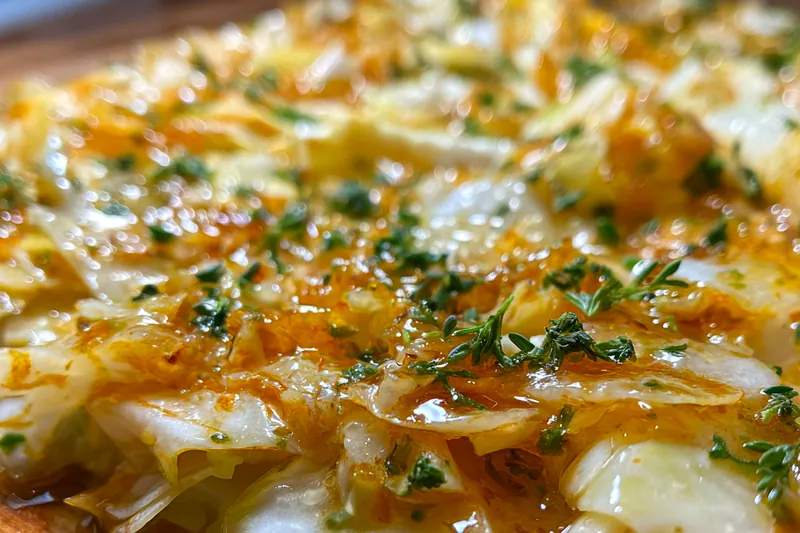
The main ingredients in coleslaw are cabbage and carrots, which provide a crunchy texture and a vibrant color. Green cabbage is typically the base, while red cabbage adds a pop of color and additional flavor. Carrots not only enhance the appearance of the coleslaw but also contribute natural sweetness. These ingredients are widely available and can be easily prepared at home, making coleslaw a convenient side dish.
Seasonings play a crucial role in elevating the flavors of coleslaw. The dressing typically consists of mayonnaise, apple cider vinegar, and a touch of sugar to balance the acidity. Celery seed adds a unique flavor that complements the vegetables perfectly. You can also experiment with different herbs and spices to personalize your coleslaw, such as dill or garlic powder, for an added depth of flavor.
Essential Ingredient Notes
- Main Ingredient: The main ingredient, cabbage, comes in various types, but green cabbage is the most common for coleslaw. It has a crunchy texture and mild flavor that pairs well with many dressings. When selecting cabbage, look for firm heads with crisp leaves. Avoid any with bruises or soft spots for the best quality.
- Second Key Ingredient: Carrots add color and sweetness to coleslaw, making them an essential ingredient. Fresh, crunchy carrots will enhance the overall texture of the dish. Use a grater or food processor to achieve fine shreds that blend well with the cabbage. Organic carrots are a great choice if you want an even fresher taste.
- Essential Seasoning: The dressing is what sets coleslaw apart, and a balance of flavors is essential. Mayonnaise provides creaminess, while vinegar adds tang. Sugar can help to offset any bitterness from the vegetables, achieving a well-rounded flavor. Feel free to adjust the amounts to suit your palate and experiment with different variations.
Cooking Process
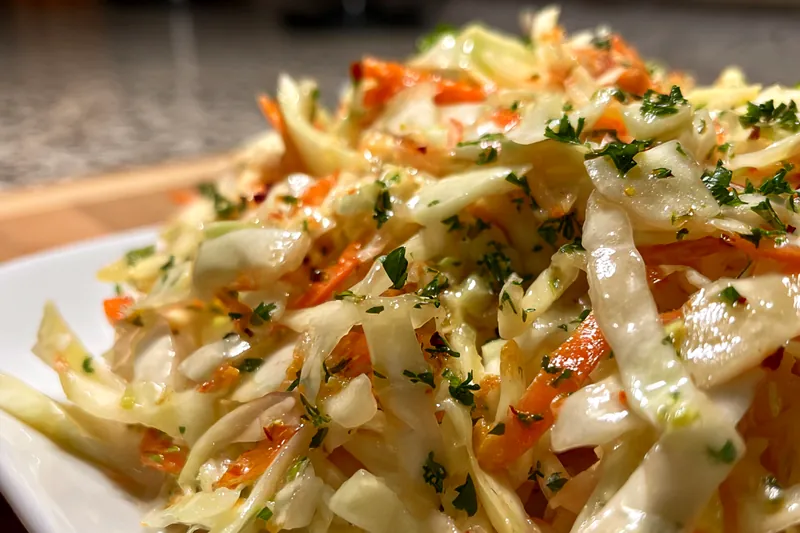
The cooking process for coleslaw is quick and straightforward, making it an ideal dish for busy cooks. Start by shredding the cabbage and grating the carrots, ensuring they are in uniform sizes for even mixing. Once combined in a bowl, prepare the dressing separately to ensure it’s well-blended. Pour the dressing over the vegetables and mix thoroughly to coat them evenly.
After mixing, let the coleslaw chill in the refrigerator for at least 30 minutes. This not only enhances the flavor but also allows the cabbage to soften slightly while maintaining its crunch. Before serving, give the coleslaw a final stir and taste to adjust seasoning if necessary. Presentation is key, so serve it in a beautiful bowl to showcase the vibrant colors.
Key Technique
The key technique in making coleslaw lies in the preparation of the vegetables. Properly shredding and mixing the vegetables ensures a balanced texture and flavor. Additionally, allowing the coleslaw to chill is vital for flavor development. This technique allows the dressing to penetrate the cabbage, creating a deliciously cohesive dish. Remember to taste and adjust the seasoning before serving for the best results.
Coleslaw
📋 Ingredients
Main Ingredients
- 1 cup mayonnaisefor creaminess
- 2 tablespoons apple cider vinegaradds tang
- 1 tablespoon sugarbalances acidity
- 1 teaspoon celery seedfor flavor
- 1/2 teaspoon saltto taste
- 1/4 teaspoon black pepperto taste
Sauce/Seasoning
- 1 medium green cabbage, shreddedbase ingredient
- 1 medium carrot, gratedadds sweetness
- 1/4 cup red cabbage, shreddedfor color
- 1/2 cup chopped green onionsfor flavor
- 1 tablespoon Dijon mustardenhances dressing
- 1/4 cup chopped parsleyfor garnish
Instructions
Prepare the Vegetables
Begin by shredding the green cabbage and grating the carrot. Use a sharp knife or a food processor for even results. Combine both in a large bowl.
Make the Dressing
In a separate bowl, whisk together the mayonnaise, apple cider vinegar, sugar, celery seed, salt, black pepper, and Dijon mustard. Ensure all ingredients are well combined for a creamy dressing.
Combine Ingredients
Pour the dressing over the cabbage and carrot mixture. Toss everything together until the vegetables are evenly coated with the dressing.
Add Color and Flavor
Incorporate the shredded red cabbage and chopped green onions into the coleslaw. These ingredients not only add color but also enhance the flavor.
Chill the Coleslaw
Cover the bowl with plastic wrap and refrigerate for at least 30 minutes. This allows the flavors to meld together and improves the overall taste.
Final Touches
Before serving, give the coleslaw a good toss to redistribute the dressing. If desired, adjust seasoning with additional salt and pepper.
Serve and Enjoy
Transfer the coleslaw to a serving dish. It can be served chilled or at room temperature, making it versatile for various occasions.
Recipe Notes & Tips
Storage Tips
Store coleslaw in an airtight container in the refrigerator to keep it fresh. It's best consumed within 3 to 5 days to enjoy its crispness. If any excess liquid accumulates, drain it off before serving. Always check for any signs of spoilage before consuming leftovers.
Serving Ideas
Coleslaw is an excellent side dish for summer barbecues or picnics. Serve it alongside grilled meats, burgers, or hot dogs for a classic combination. It also works well as a topping for sandwiches or tacos, adding a refreshing crunch. Consider pairing it with potato salad or baked beans for a complete meal.
Variations
Feel free to experiment with different ingredients to make this coleslaw your own. Adding fruits like apples or pineapples can introduce a sweet twist. You can also try different dressings, such as a vinaigrette for a lighter option. For a spicy kick, incorporate jalapeños or hot sauce into the mix.