Hummus with Warm Bread
Hummus with Warm Bread is a delightful dish that brings together the creamy texture of hummus and the comforting warmth of freshly baked bread. This dish is perfect for gatherings, as an appetizer, or even as a light meal. Originating from the Middle East, hummus has gained popularity worldwide due to its rich flavor and nutritional benefits. The combination of chickpeas, tahini, and fresh ingredients makes it not only delicious but also packed with protein and fiber. Pairing it with warm bread elevates the experience, making every bite a satisfying treat.

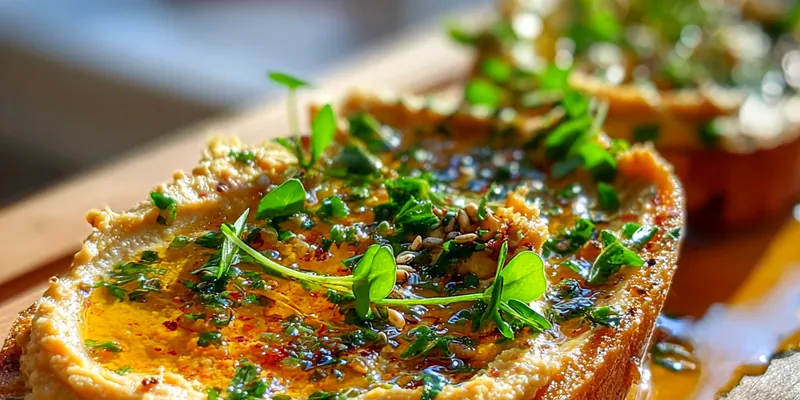
Why This Hummus with Warm Bread Works
This recipe combines the nutty flavor of tahini with the creamy texture of chickpeas, creating a deliciously smooth hummus. The addition of garlic enhances the flavor, while the lemon juice adds a refreshing brightness that cuts through the richness. By gently warming the bread, you create a comforting contrast to the cool, creamy dip. This technique ensures that every bite is a perfect blend of flavors and textures, making it a standout dish for any occasion.
What sets this hummus apart is not only its incredible taste but also its health benefits. Chickpeas are a great source of protein and fiber, making this dish both filling and nutritious. When paired with warm bread, it becomes a satisfying meal that can be enjoyed any time of day. Additionally, this dish is easily customizable; you can adjust the spices or add toppings according to your preference, making it versatile and appealing to a wide audience.
💡 Professional Tip
For the best flavor, use high-quality tahini and fresh garlic. If your hummus is too thick, add a bit more water or olive oil until you achieve your desired consistency. Don't hesitate to experiment with spices; adding cumin or smoked paprika can bring a unique twist to the traditional recipe. Lastly, serve the hummus fresh for the best taste, and don’t forget to warm your bread just before serving for a comforting experience.
Frequently Asked Questions
Yes, you can prepare the hummus ahead of time. It stores well in the refrigerator for up to a week in an airtight container. However, for the best flavor and texture, it's recommended to warm the bread just before serving. If you prepare the hummus in advance, consider adding a bit of olive oil on top before storing to help maintain its freshness. This way, you can enjoy a quick and easy appetizer whenever you need it.
If you don’t have tahini, you can substitute it with sunflower seed butter or even peanut butter for a different twist. For those avoiding gluten, serve the hummus with vegetable sticks instead of bread. You can also experiment with different types of bread, such as whole grain or gluten-free options. Additionally, feel free to customize your hummus by adding roasted red peppers or olives for extra flavor.
The hummus is done when it's smooth and creamy, without graininess. You can taste it to check if the flavors are balanced, adjusting salt or lemon juice as needed. The bread should be warm and soft but not overly crispy. To ensure the bread is perfectly warmed, check it after about 5-7 minutes in the oven and adjust the time based on your preference. Remember, it should be pliable enough to scoop the hummus easily.
Hummus can be frozen for up to three months. To freeze, transfer it to an airtight container, leaving some space for expansion. When you're ready to use it, thaw it in the refrigerator overnight. After thawing, give it a good stir and add a bit of olive oil or water if it seems thick. However, bread is best enjoyed fresh and isn't recommended for freezing due to texture changes.
In addition to warm bread, you can serve hummus with an array of dippers like fresh vegetables, pita chips, or even crackers. For a heartier meal, pair it with a salad or grilled meats. You can also create a platter with olives, cheeses, and nuts for a more complete appetizer spread. This versatility makes hummus a great addition to any gathering or meal.
Homemade hummus can be stored in the fridge for about a week. Make sure it's in an airtight container to keep it fresh. If you've made more than you can eat, consider dividing it into smaller portions for easier access. The warm bread should be consumed the same day, but you can keep any leftover bread in a bread bag at room temperature for a day or two.
You can easily adjust the spice level of your hummus by adding more or less garlic or cumin. If you enjoy a bit of heat, consider adding a pinch of cayenne pepper or a splash of hot sauce to the mix. Always taste your hummus as you go to ensure it suits your palate. Additionally, you can offer spicy toppings, like chili oil, on the side for those who like an extra kick.
To reheat leftover warm bread, wrap it in aluminum foil and place it in a preheated oven at 350°F (175°C) for about 5-10 minutes. This will help retain its softness without making it too crispy. Alternatively, you can microwave it for about 10-15 seconds, but be cautious not to overdo it, as it may become tough. For the hummus, you can serve it cold or at room temperature; just give it a stir before serving.
Recipe Troubleshooting Guide
Too Dry
Problem: If your hummus turns out too dry, it might be due to insufficient liquid added during blending.
Solution: Simply add a bit more water or olive oil and blend again until you reach the desired creamy consistency. Adjusting the amount of tahini can also help to achieve a smoother texture.
Not Crispy
Problem: If your bread isn't crispy, it may not have been warmed long enough in the oven.
Solution: Ensure that you are preheating your oven adequately, and consider brushing the bread with more olive oil before warming it to promote crispiness. A higher temperature can also help achieve that perfect texture.
Overcooked
Problem: If the bread is overcooked, it may become hard and unappetizing.
Prevention: Monitor the bread carefully while it’s warming, and opt for a shorter time if you see it browning too much. You can always quickly warm it again if it cools down before serving.
Undercooked
Problem: Undercooked bread may be too soft or doughy, making it difficult to enjoy with hummus.
Recovery: Ensure that your oven is properly preheated and that the bread is evenly spaced on the baking sheet. If it seems undercooked, return it to the oven for an additional minute or two.
Burnt
Problem: Burnt hummus may occur if it has been left in the oven for too long or if it's been overheated.
Prevention: Always check on your hummus if it's being warmed or baked. If burnt, you can salvage it by scraping off the burnt edges and mixing in fresh ingredients to restore some flavor.
Flavor Balance
Too Sweet: If your hummus tastes too sweet, it might be due to overusing lemon juice or not enough salt.
Too Salty: If it’s too salty, consider balancing it with a little more tahini or a splash of water to dilute the saltiness.
Bland: For bland hummus, boost the flavor by adding more garlic, lemon juice, or a sprinkle of cumin for depth.

Key Ingredients
The main ingredient in hummus is chickpeas, which provide a creamy texture and are rich in protein and fiber. Tahini, made from ground sesame seeds, adds a nutty flavor that complements the chickpeas beautifully. Fresh garlic and lemon juice are essential for brightness, enhancing the overall taste of the dish. Olive oil contributes to the smoothness and adds a rich, fruity flavor, making the hummus delightful to eat.
When it comes to seasonings, ground cumin adds warmth and depth to the hummus, while salt helps to enhance all the flavors. The choice of bread is also crucial—pita bread is traditional, but any soft flatbread can work beautifully. Each ingredient plays a role in creating a well-balanced dip that is both satisfying and full of flavor. Experimenting with additional toppings like olives or spices can elevate your dish even further.
Essential Ingredient Notes
- Main Ingredient: Chickpeas are the foundation of hummus, providing creaminess and nutritional benefits. They are high in protein, making hummus a filling option for meals or snacks. For best results, use canned chickpeas for convenience, but you can also cook dried chickpeas if you prefer. Just be sure to soak and cook them thoroughly for a smoother texture.
- Second Key Ingredient: Tahini is a crucial component of hummus, contributing to its distinct flavor and creamy consistency. Look for high-quality tahini, as it can significantly affect the overall taste of your hummus. Stir the tahini well before measuring, as the oil can separate. If tahini is hard to find, alternatives like sunflower seed butter can be used for a unique twist.
- Essential Seasoning: Fresh garlic adds a punch of flavor that elevates the hummus and gives it a savory depth. Adjust the amount of garlic based on your personal preference, but be cautious, as it can overpower if used excessively. Lemon juice is equally important, bringing brightness and acidity that balances the richness of the tahini. Together, these seasonings create a harmonious blend that makes the hummus irresistible.
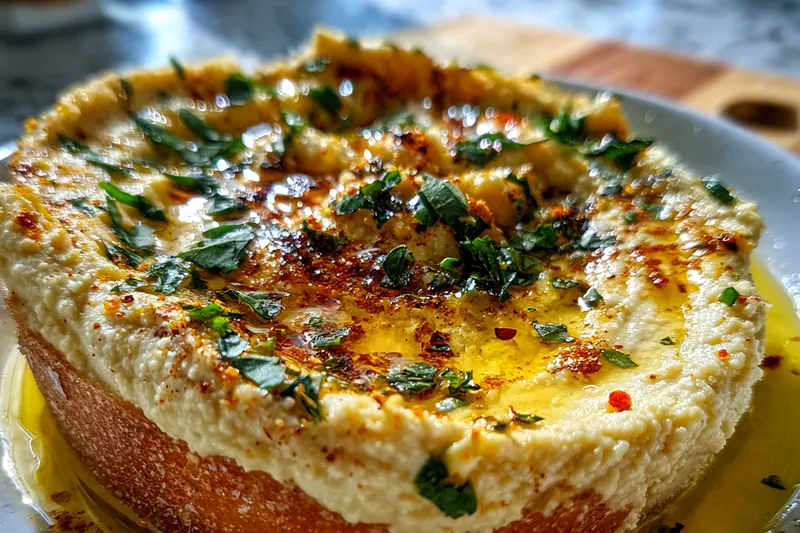
Cooking Process
To make hummus, begin by blending chickpeas, tahini, olive oil, lemon juice, garlic, cumin, and salt until smooth. Adjust the consistency by adding water if needed. Once blended, transfer the mixture to a serving bowl and garnish with olive oil and paprika for added flavor. The key is to ensure that all ingredients are well-combined to achieve a creamy texture.
For the warm bread, preheat the oven and brush the pita or flatbreads with olive oil before placing them in the oven. Warm for a few minutes until soft and pliable. This step enhances the overall experience, allowing each piece of bread to perfectly scoop up the creamy hummus. After warming, cut the bread into smaller pieces for easy dipping and enjoy the delicious combination.
Key Technique
The key to achieving the perfect hummus lies in the blending technique. Ensure you blend the ingredients thoroughly to create a smooth, creamy consistency without any lumps. Adding water gradually while blending helps reach the desired texture. Additionally, warming the bread just before serving creates a comforting contrast with the cold hummus, making it a delightful dish for any occasion.
Hummus with Warm Bread
📋 Ingredients
Main Ingredients
- 1/4 cup tahiniadds creaminess and flavor
- 2 tablespoons olive oilfor richness
- 2 tablespoons lemon juicefor brightness
Sauce/Seasoning
- 1 can (15 oz) chickpeas, drained and rinsedbase of the hummus
- 1 garlic clove, mincedadds flavor
- 1/2 teaspoon ground cuminfor warmth
- 1/2 teaspoon saltto enhance flavors
- Fresh parsley for garnishfor presentation
Instructions
Prepare the Hummus
In a food processor, combine the chickpeas, tahini, olive oil, lemon juice, minced garlic, ground cumin, and salt. Blend until smooth, adding water gradually to reach your desired consistency.
Garnish
Transfer the hummus to a serving bowl. Drizzle with olive oil and sprinkle paprika and fresh parsley on top for added flavor.
Warm the Bread
Preheat your oven to 350°F (175°C). Place the pita or flatbreads on a baking sheet and brush lightly with olive oil. Warm the bread in the oven for about 5-7 minutes until soft and pliable.
Serve
Remove the bread from the oven. Cut into quarters and serve alongside the hummus for dipping. Enjoy the warm, comforting flavors together.
Recipe Notes & Tips
Storage Tips
Store any leftover hummus in an airtight container in the refrigerator for up to a week. If the hummus thickens in the fridge, stir in a little water or olive oil before serving. The bread is best served fresh, but you can store any leftover bread in a bread bag at room temperature. To revive stale bread, sprinkle with a bit of water and warm it in the oven briefly.
Serving Ideas
Hummus with warm bread can be served as an appetizer at parties or as a light meal. Consider offering a variety of dippers such as fresh vegetables, crackers, or pita chips to complement the dish. For a more filling option, pair it with a side salad or grilled meats. You can also create a beautiful platter with olives, cheeses, and nuts to enhance your presentation.
Variations
Feel free to customize your hummus by adding different ingredients such as roasted red peppers, sun-dried tomatoes, or herbs like basil or cilantro. For a spicier version, incorporate jalapeños or a splash of hot sauce. You can also experiment with various types of bread, such as naan or lavash, to give a unique twist to the dish. Each variation can bring new flavors and excitement to your table.