Lemon Meringue Pie
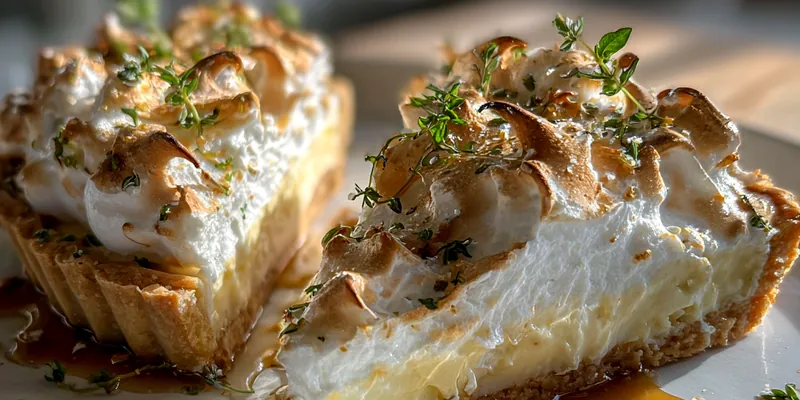
Lemon Meringue Pie is a classic dessert that perfectly balances tart and sweet flavors, making it a favorite among many. Its origins can be traced back to 19th-century Europe, where it became popular for its refreshing taste. With a flaky crust, a vibrant lemon filling, and a light meringue topping, this pie is an impressive addition to any gathering. It's perfect for spring and summer events, offering a bright and cheerful presentation that is sure to please. What makes this pie special is the combination of textures and flavors, creating a delightful experience in every bite.

Why This Lemon Meringue Pie Works
The technique behind the perfect Lemon Meringue Pie lies in the balance of flavors and the method of preparation. The lemon filling is made with fresh juice and zest, creating a vibrant flavor profile that is both tart and sweet. The meringue topping adds a light, airy texture that contrasts beautifully with the creamy filling. Using a pre-baked pie crust ensures a crisp base that holds up against the moist filling. This harmonious combination makes each bite a delightful experience.
What makes this Lemon Meringue Pie truly special is the use of high-quality ingredients. Fresh lemons provide the best flavor, while a carefully whipped meringue gives an impressive rise and glossy finish. The techniques employed, such as tempering the egg yolks and creating peaks in the meringue, require attention to detail that pays off in presentation and taste. This pie is not just a dessert; it’s a showstopper that will impress guests and create lasting memories.
💡 Professional Tip
One of the best tips for making Lemon Meringue Pie is to ensure your mixing bowls and utensils are completely clean and dry when whipping the egg whites. Any grease or residue can prevent the meringue from achieving its full volume. Additionally, be cautious not to overcook the lemon filling; it should be thick but still pourable. Finally, allow the pie to cool completely before slicing to avoid a runny filling and to set the meringue properly.
Frequently Asked Questions
Yes, you can make Lemon Meringue Pie ahead of time, but it's best to prepare the filling and meringue separately. Bake the crust and fill it with the lemon filling, then refrigerate it without the meringue. Prepare the meringue just before serving and top the pie. This helps maintain the meringue's texture and prevents it from weeping or becoming soggy. If you must prepare it in advance, keep it covered in the fridge and serve it within a day for the best quality.
For a gluten-free version of Lemon Meringue Pie, you can use a gluten-free pie crust or make a crust from almond flour. If you're looking to reduce sugar, consider using a sugar substitute that can withstand baking, but keep in mind that this may affect the meringue's texture. For a dairy-free option, use a plant-based butter substitute in the filling. Each substitution may slightly alter the flavor, so it’s worth experimenting to find what works best for your taste.
You’ll know your Lemon Meringue Pie is done when the meringue is golden brown and the filling is set. The edges of the meringue should be firm and not wet or sticky. When you tap the meringue lightly, it should feel solid and hold its shape. Additionally, the pie filling should jiggle slightly but not be liquid. Cooling the pie properly will also help it set completely.
While you can freeze Lemon Meringue Pie, it's not generally recommended due to the meringue's texture, which may become grainy or weep upon thawing. If you choose to freeze it, do so without the meringue. Freeze the lemon filling in an airtight container for up to 3 months. When ready to serve, prepare a fresh meringue and top the thawed filling. This ensures the best flavor and texture.
Lemon Meringue Pie pairs wonderfully with a dollop of whipped cream for added richness. Fresh berries, such as strawberries or raspberries, also complement the pie’s citrus flavor and add a pop of color. For a touch of elegance, consider serving it alongside a scoop of vanilla ice cream, which balances the tartness. A light tea or coffee would also be a lovely accompaniment, enhancing the dessert experience.
Lemon Meringue Pie can be stored in the refrigerator for up to 2 days. It’s best to cover it loosely with plastic wrap to avoid sticking to the meringue. After this time, the meringue may start to weep and lose its texture. If you're not serving it right away, it’s recommended to add the meringue just before serving to keep it fresh and fluffy.
Lemon Meringue Pie doesn’t typically have a spice component, but you can adjust the citrus level to enhance or tone down the tartness. Adding more lemon juice or zest will intensify the flavor, while reducing the amount will make it milder. If you prefer a different flavor profile, consider incorporating a hint of lime or orange zest for a refreshing twist. However, be cautious not to overpower the lemon essence.
If you have leftover Lemon Meringue Pie and prefer it warm, the best method is to reheat it in a preheated oven at 350°F (175°C) for about 10-15 minutes. Cover the meringue with aluminum foil to prevent it from browning further. Avoid microwaving, as this can cause the meringue to become chewy and the filling to overheat. Reheating in the oven helps maintain the pie’s texture and flavor.
Recipe Troubleshooting Guide
Too Dry
Problem: If your Lemon Meringue Pie turns out too dry, it’s often due to overcooking the lemon filling or the meringue.
Solution: To prevent this, ensure you cook the filling just until it thickens and reaches the right consistency. For meringue, watch closely during baking and remove it once it turns golden brown, avoiding extended baking time.
Not Crispy
Problem: A pie crust that isn't crispy can detract from the overall experience of Lemon Meringue Pie.
Solution: To achieve a crispy crust, ensure you prick the bottom with a fork before baking and avoid adding the filling while the crust is still warm. Pre-baking the crust for a few minutes until it starts to brown can also help.
Overcooked
Problem: If your pie becomes overcooked, the meringue may turn dark brown or the filling can curdle.
Prevention: Keep a close eye on the pie while baking, and use a timer to help monitor cooking time. If you notice the meringue browning too quickly, you can cover it lightly with foil.
Undercooked
Problem: An undercooked pie may result in a runny filling or a soggy crust.
Recovery: Make sure to cook the filling until it is thick and bubbly, and allow ample time for the pie to bake. The filling should be set but not overly firm when cooled.
Burnt
Problem: A burnt Lemon Meringue Pie can happen if the oven temperature is too high or if left unattended.
Prevention: To prevent burning, ensure your oven is calibrated correctly and consider lowering the temperature slightly. Always watch the pie closely towards the end of the baking time.
Flavor Balance
Too Sweet: If the pie is too sweet, it may overpower the lemon flavor.
Too Salty: A salty taste can occur if too much salt is added to the filling or crust.
Bland: A bland pie may need more lemon juice or zest to enhance its flavor profile.

Key Ingredients
The main ingredients of Lemon Meringue Pie include fresh lemons, sugar, and eggs. Fresh lemons are crucial for achieving the tartness that defines this dessert. The filling requires both lemon juice and zest to capture the full flavor of the fruit. Eggs are used for both the filling and the meringue, contributing to the pie's texture and overall structure. Choosing high-quality ingredients will elevate the pie's taste significantly.
In addition to the main ingredients, seasonings play a crucial role in enhancing the flavor. A pinch of salt helps balance the sweetness of the meringue and the tartness of the lemon filling. Cornstarch is used to thicken the filling, ensuring it sets properly without becoming rubbery. Butter adds richness to the filling, making it smooth and creamy. Each ingredient is essential in creating the perfect Lemon Meringue Pie.
Essential Ingredient Notes
- Main Ingredient: Fresh lemons are the star of this pie. They provide a bright, zesty flavor that is essential for the filling. When selecting lemons, look for ones that are firm and heavy for their size, indicating juiciness. Zest from the lemons further enhances the overall flavor, making it vibrant and refreshing.
- Second Key Ingredient: Eggs are critical for achieving both the filling and meringue. Use large, fresh eggs for the best results, as they provide a good amount of volume for the meringue. Separating the yolks and whites carefully is key to ensuring the meringue whips up properly. The yolks contribute richness to the filling while the whites create the light, fluffy topping.
- Essential Seasoning: Cornstarch is an essential component in the lemon filling. It acts as a thickening agent, ensuring the filling sets perfectly without becoming too firm. By whisking it with sugar before adding liquid, you can prevent clumping. The right amount of cornstarch will give the filling a smooth consistency, enhancing the overall texture of the pie.
Cooking Process
The cooking process for Lemon Meringue Pie involves several key steps to ensure each component comes together flawlessly. Start by preparing the pie crust, which can be pre-baked to achieve a crisp texture. Next, make the lemon filling by cooking the sugar, cornstarch, and lemon juice on the stovetop until thickened. This filling is then poured into the cooled crust.
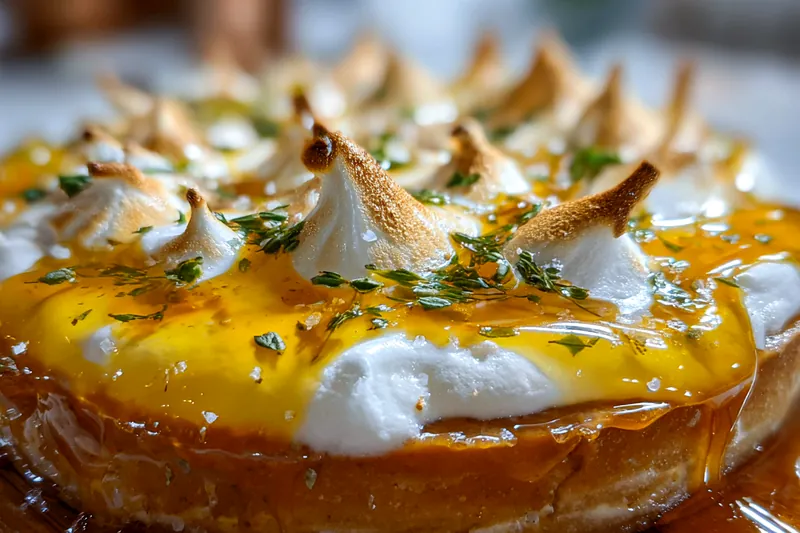
After the filling has been added, the meringue is prepared by whipping egg whites until stiff peaks form. This fluffy topping is spread over the lemon filling and baked until golden brown. Allow the pie to cool completely before slicing to ensure the filling sets properly, making for a stunning presentation.
Key Technique
The key technique in making Lemon Meringue Pie is mastering the meringue. Whipping the egg whites to the right stage is crucial; they should be beaten until stiff peaks form, indicating they are ready for baking. Additionally, gently folding in the sugar ensures a glossy finish without deflating the meringue. Properly sealing the meringue to the edges of the pie filling is essential to prevent shrinkage during baking. These techniques will ensure your meringue is light, fluffy, and beautifully golden.
Lemon Meringue Pie
📋 Ingredients
Main Ingredients
- 2 tablespoons cornstarchfor thickening the lemon filling
- 1/4 teaspoon saltto balance sweetness
Sauce/Seasoning
- 1 pre-made pie crust (9-inch)for the base
- 1 cup granulated sugarfor sweetness
- 1 1/2 cups waterto create the filling
- 3 large egg yolks, lightly beatenfor richness
- 1/2 cup fresh lemon juicefor tartness
- 1 tablespoon grated lemon zestfor enhanced flavor
- 2 tablespoons unsalted butterfor creaminess
Instructions
Prepare the Pie Crust
Preheat your oven to 350°F (175°C). Place the pre-made pie crust in a pie dish and prick the bottom with a fork to prevent bubbling. Bake for about 10 minutes or until lightly golden, then remove from the oven to cool.
Make the Lemon Filling
In a medium saucepan, whisk together 1 cup sugar, cornstarch, and salt. Gradually add water while stirring to combine, and bring to a boil over medium heat. Once boiling, reduce heat and cook for another 2 minutes until thickened.
Add Egg Yolks
Remove the saucepan from heat. In a separate bowl, whisk the egg yolks and gradually stir in a small amount of the hot mixture to temper them. Then, whisk the yolks back into the saucepan along with the lemon juice, lemon zest, and butter. Return to the heat and cook for another 2 minutes.
Fill the Pie Crust
Pour the lemon filling into the baked pie crust, smoothing it out with a spatula. Allow it to cool slightly while you prepare the meringue.
Prepare the Meringue
In a clean bowl, beat the egg whites with cream of tartar until soft peaks form. Gradually add 1/2 cup sugar, continuing to beat until stiff peaks form and the meringue is glossy.
Top the Pie
Spread the meringue over the lemon filling, making sure to seal the edges to prevent shrinking. Create peaks and swirls with the spatula for a decorative finish.
Bake the Pie
Bake the pie in the preheated oven for about 10-15 minutes, or until the meringue is golden brown. Watch closely to prevent burning.
Cool and Serve
Once baked, remove the pie from the oven and let it cool at room temperature for at least an hour. Slice and serve at room temperature for the best flavor.
Recipe Notes & Tips
Storage Tips
To store Lemon Meringue Pie, keep it in the refrigerator for up to 2 days. Cover it lightly with plastic wrap to prevent the meringue from sticking. If you have leftover filling, it can be stored separately in an airtight container for a couple of days as well. However, it’s best to prepare the meringue just before serving for optimal texture.
Serving Ideas
Serve Lemon Meringue Pie with a dollop of freshly whipped cream to enhance its richness. Fresh berries, such as raspberries or strawberries, can also be a delightful addition, providing a pop of color and flavor. Consider pairing it with a scoop of vanilla ice cream for a classic dessert experience. A light tea or coffee can complement the pie beautifully, rounding out the meal.
Variations
For a twist on the classic recipe, try incorporating other citrus flavors, such as lime or orange, into the filling. You can also make a lemon-blueberry variation by adding fresh blueberries to the lemon filling before topping with meringue. Another option is to create a graham cracker crust instead of a traditional pie crust for added texture and flavor. Each variation allows for creative expression while maintaining the essence of Lemon Meringue Pie.