Spinach Sautéed with Garlic & Olive Oil
Spinach Sautéed with Garlic & Olive Oil is a delightful and healthy dish that brings vibrant flavors to your table. This quick recipe highlights the natural taste of fresh spinach, enhanced by the aromatic garlic and rich olive oil. Ideal for a quick weeknight dinner or as a colorful side dish, it’s both nutritious and satisfying. Packed with vitamins and minerals, spinach is a superfood that supports your health while being easy to prepare. Enjoy this dish as a comforting addition to any meal, showcasing the simplicity of quality ingredients.

Why This Spinach Sautéed with Garlic & Olive Oil Works
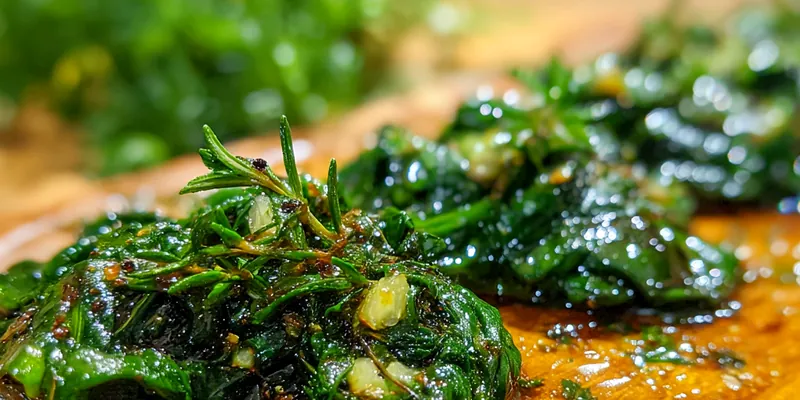
The technique behind sautéing spinach is crucial for achieving that perfect texture and flavor. By cooking over medium heat, the spinach wilts evenly while retaining its vibrant color and nutrients. Garlic is added early in the cooking process, allowing its flavor to infuse the oil, which then coats the spinach. This method not only enhances the taste but also helps to preserve the beneficial properties of the spinach. The key is to avoid overcooking, ensuring the spinach remains tender but not mushy.
What makes this dish special is the combination of fresh ingredients and simple preparation. The versatility of sautéed spinach allows it to accompany a wide range of meals, from grilled chicken to pasta dishes. The addition of lemon juice at the end elevates the dish with a burst of freshness, balancing the richness of the olive oil. Optional toppings like Parmesan cheese and sliced almonds provide extra flavor and texture, making it a delightful side. This dish epitomizes the idea that healthy food can be both quick and satisfying.
💡 Professional Tip
To enhance the flavor of your sautéed spinach, consider using extra virgin olive oil for a more robust taste. Fresh garlic is essential, but you can experiment with roasted garlic for a sweeter, more mellow flavor. If you're a fan of heat, add more red pepper flakes to suit your spice preference. For an added crunch, try toasting the almonds before sprinkling them on top. Lastly, always taste your dish before serving to adjust the seasoning as needed.
Frequently Asked Questions
Yes, you can prepare sautéed spinach ahead of time. However, it is best enjoyed fresh to maintain its texture and vibrant color. If you need to prepare it in advance, consider cooking it just until wilted, then cooling it and storing it in an airtight container. When you're ready to serve, quickly reheat it in a skillet over low heat, adding a splash of olive oil to revive its flavor. Keep in mind that reheating may cause the spinach to lose some of its crunch.
If you don't have fresh spinach, you can substitute it with other leafy greens like kale or Swiss chard. These greens have a similar cooking time and will provide a comparable texture. For those looking for a different flavor, you might try using arugula, which has a peppery bite. In terms of oil, any light cooking oil can be used, but olive oil adds a unique richness that is hard to replicate. Lastly, if you want to skip the cheese, nutritional yeast can give a cheesy flavor without dairy.
The spinach is done when it has wilted down significantly and is tender to the bite, which usually takes about 3-5 minutes of cooking. You want it to retain some of its bright green color, indicating that it hasn’t been overcooked. If the spinach looks dull or mushy, it has likely been cooked too long. Taste a small piece to check for tenderness; it should not be tough or chewy. Once it's wilted and tender, remove it from the heat to prevent overcooking.
While you can freeze sautéed spinach, it's best to note that the texture may change upon thawing. To freeze, cool the spinach completely after cooking, then transfer it to an airtight container or freezer bag. It can be stored in the freezer for up to 3 months. When you're ready to use it, thaw it in the refrigerator and reheat gently on the stovetop. Keep in mind that freezing may cause the spinach to lose some of its vibrant color and crunch.
This sautéed spinach pairs beautifully with a variety of main dishes. You can serve it alongside grilled chicken, fish, or steak for a well-rounded meal. It also complements pasta dishes, especially those with cream or tomato-based sauces. For a vegetarian option, serve it with quinoa or risotto for a nutritious, filling dinner. Additionally, it can be enjoyed as part of a larger spread with other sides like roasted potatoes or a fresh salad.
Sautéed spinach can be stored in the refrigerator for up to 3 days in an airtight container. Make sure it cools completely before sealing the container to prevent condensation, which can make it soggy. When you're ready to eat, simply reheat it in a skillet or microwave. If you find the spinach has lost some flavor, you can add a splash of olive oil or a squeeze of lemon juice to freshen it up. Always check for any signs of spoilage before consuming.
Absolutely! The spice level can be easily adjusted to suit your taste. If you prefer a milder dish, simply omit the red pepper flakes. For those who enjoy more heat, feel free to add extra flakes or even some chopped fresh chili peppers. You can also incorporate spices like smoked paprika or cayenne pepper for a different flavor profile. Taste your sautéed spinach as you cook to find the perfect balance of heat for your palate.
The best way to reheat sautéed spinach is on the stovetop over low heat. This method allows you to control the temperature and prevents overcooking. Add a small splash of olive oil to revive the flavors and moisture. Stir occasionally to ensure even heating. Alternatively, you can use a microwave, but cover the dish to retain moisture and heat in short intervals to avoid overcooking.
Recipe Troubleshooting Guide
Too Dry
Problem: If your sautéed spinach turns out too dry, it may be due to overcooking or not enough oil used during the sautéing process.
Solution: To remedy this, ensure you are using enough olive oil and consider adding a small amount of water or broth to the pan while cooking. This can help steam the spinach and retain moisture. If it happens again, try reducing the cooking time to prevent drying out the greens.
Not Crispy
Problem: If your sautéed spinach lacks crispiness, it might be due to overcrowding in the skillet, which prevents proper sautéing.
Solution: To achieve that desired crispness, sauté the spinach in batches if necessary, allowing enough space for the leaves to cook evenly. Additionally, ensure your skillet is hot enough before adding the spinach to help it sauté rather than steam.
Overcooked
Problem: Overcooked spinach can become mushy and lose its vibrant color and nutritional value.
Prevention: To prevent this, keep a close eye on the spinach as it cooks and remove it from heat as soon as it wilts. If you accidentally overcook it, consider blending it into a smoothie or incorporating it into a sauce to salvage the flavor.
Undercooked
Problem: If your sautéed spinach is still tough or chewy, it may not have been cooked long enough.
Recovery: Simply return it to the skillet and sauté a bit longer until tender. Ensure you're tossing it occasionally for even cooking and add a splash of water if needed to help it cook through.
Burnt
Problem: Burnt spinach can occur if the heat is too high or if it cooks for too long.
Prevention: To avoid this, always use medium heat and keep an eye on the cooking process. If you notice it starting to burn, lower the heat immediately and stir frequently. If it has burnt, unfortunately, it’s best to start over for optimal flavor.
Flavor Balance
Too Sweet: If the sautéed spinach tastes too sweet, it may be due to the natural sugars in the vegetables or added ingredients.
Too Salty: To balance excessive saltiness, consider adding a squeeze of lemon juice or a small amount of sugar to counteract the flavor.
Bland: If your sautéed spinach is bland, try adding more salt, freshly cracked pepper, or a touch of garlic for a flavor boost. Fresh herbs can also enhance the taste significantly.
Key Ingredients
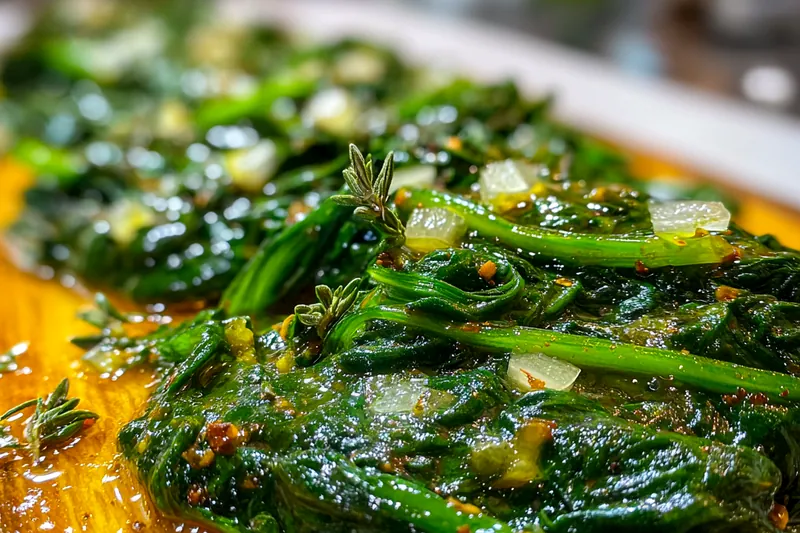
The main ingredient, fresh spinach, is rich in vitamins A, C, and K, along with iron and antioxidants. When selecting spinach, look for vibrant green leaves that are crisp and free from wilted spots. Young, tender spinach is ideal for sautéing as it cooks quickly and retains its nutrients. This green powerhouse adds both flavor and health benefits to your dish. Using fresh spinach rather than frozen ensures the best texture and taste.
Seasonings play a vital role in enhancing the flavor of sautéed spinach. Olive oil not only helps in cooking but adds a rich flavor and healthy fats to the dish. Garlic is a key aromatic that infuses the oil, providing a savory depth. Lemon juice adds brightness, balancing the richness of the oil. Optional ingredients like Parmesan cheese and sliced almonds provide additional flavor and crunch, making this dish even more satisfying.
Essential Ingredient Notes
- Main Ingredient: Fresh spinach is the star of this dish, providing an array of vitamins and minerals. When choosing spinach, opt for fresh, vibrant leaves for the best flavor and texture. Avoid any wilted or yellowing leaves as they can affect the dish's overall quality. Proper washing and drying are essential to remove any grit and ensure a clean taste.
- Second Key Ingredient: Garlic is a crucial ingredient that adds depth and aroma to the sautéed spinach. Fresh garlic is preferred for its intense flavor, but you can experiment with roasted garlic for a milder taste. Mince the garlic finely to allow it to infuse the oil quickly during sautéing. Be cautious not to burn the garlic, as it can turn bitter and ruin the dish.
- Essential Seasoning: Olive oil is the foundation of this sauté, providing richness and healthy fats. Extra virgin olive oil is recommended for its superior flavor and health benefits. The oil should be heated to medium, allowing the garlic to sauté without being burnt. This not only adds flavor but also helps the spinach cook evenly and enhances the overall taste of the dish.
Cooking Process
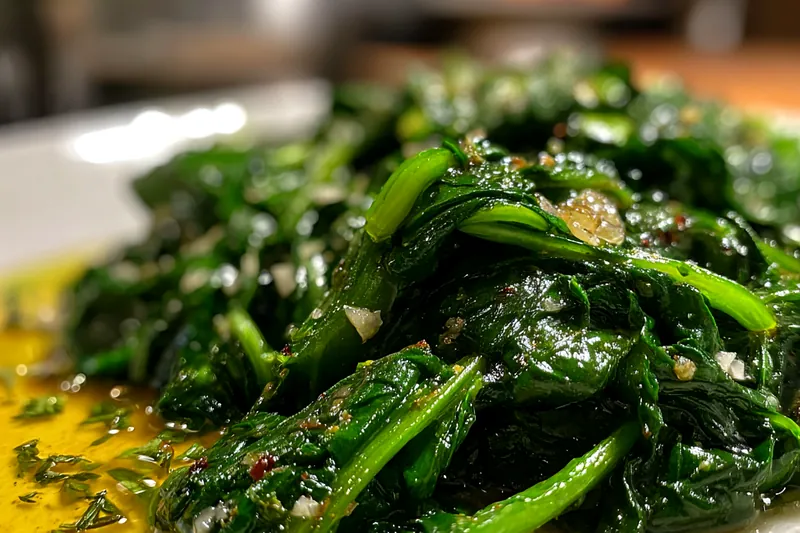
Begin by heating olive oil in a large skillet over medium heat. Once the oil is warm, add minced garlic and sauté for about a minute, allowing its aroma to fill the kitchen. As the garlic turns golden, incorporate the spinach, tossing it to coat in the flavorful oil. Continue to sauté, stirring occasionally, until the spinach wilts down significantly and becomes tender.
After cooking, remove the skillet from heat and finish the dish with a splash of lemon juice for brightness. This step enhances the flavor profile and adds a refreshing contrast to the richness of the oil. If desired, garnish with grated Parmesan cheese and sliced almonds for added flavor and texture. Serve warm as a nutritious side or main dish that complements a variety of meals.
Key Technique
The key to perfect sautéed spinach lies in the technique of cooking over medium heat. This prevents the greens from wilting too quickly and losing their vibrant color. By adding garlic early in the process, you ensure the flavors meld beautifully with the oil. Stirring occasionally allows for even cooking and prevents any burning. Lastly, finishing with lemon juice elevates the dish, making it a simple yet elegant addition to your meals.
Spinach Sautéed with Garlic & Olive Oil
📋 Ingredients
Main Ingredients
- 1 tablespoon lemon juiceadds brightness
- 1/4 cup grated Parmesan cheese (optional)for added flavor
- 1/4 cup sliced almonds (optional)for crunch
Sauce/Seasoning
- 2 tablespoons olive oilfor cooking
- 4 cloves garlic, mincedfor flavor
- 10 ounces fresh spinach, washed and driedmain ingredient
- 1 teaspoon saltto taste
- 1/2 teaspoon black pepperto taste
- 1/4 teaspoon red pepper flakes (optional)for heat
Instructions
Heat the Olive Oil
In a large skillet, heat the olive oil over medium heat. Ensure the oil is hot but not smoking before adding the garlic.
Sauté the Garlic
Add the minced garlic to the skillet and sauté for about 1-2 minutes, until fragrant and golden brown. Be careful not to burn the garlic, as it can become bitter.
Add the Spinach
Gradually add the washed spinach to the skillet. It may seem like a lot at first, but it will wilt down significantly.
Season the Spinach
As the spinach begins to wilt, sprinkle in the salt, black pepper, and red pepper flakes. Toss everything together to ensure the spinach is evenly coated.
Finish Cooking
Continue to sauté the spinach for an additional 2-3 minutes, until fully wilted and tender. Stir occasionally to ensure even cooking.
Add Lemon Juice
Remove the skillet from heat and squeeze fresh lemon juice over the sautéed spinach. This adds a bright flavor that complements the garlic.
Serve and Garnish
Transfer the sautéed spinach to a serving dish. If desired, sprinkle with grated Parmesan cheese and sliced almonds before garnishing with fresh parsley.
Enjoy!
Serve warm as a delicious side dish. This vibrant and nutritious spinach sauté pairs well with a variety of main courses.
Recipe Notes & Tips
Storage Tips
To store sautéed spinach, place it in an airtight container and refrigerate for up to 3 days. Allow it to cool completely before sealing to avoid condensation. When reheating, add a little olive oil to restore moisture and flavor. If the spinach appears wilted, a quick sauté in a skillet can revive its texture.
Serving Ideas
Sautéed spinach makes an excellent side dish for proteins such as grilled chicken, fish, or steak. It can also be mixed into pasta dishes or served alongside grain bowls for added nutrition. For a light lunch, pair it with a poached egg and whole-grain toast. Experiment with serving it as part of a larger spread with various sides.
Variations
Feel free to experiment with different ingredients to customize your sautéed spinach. Consider adding other vegetables, such as cherry tomatoes or bell peppers, for extra color and flavor. You can also incorporate different herbs, such as basil or thyme, for a unique twist. For a creamy version, stir in a bit of cream or cream cheese after cooking.