Tabbouleh
Tabbouleh is a bright and refreshing salad hailing from the Mediterranean region, known for its vibrant flavors and healthy ingredients. Made primarily with bulgur wheat, fresh herbs, and vegetables, this dish offers a delightful crunch and a burst of freshness in every bite. Tabbouleh is not only a great side dish but can also stand alone as a light main course. It's perfect for gatherings, picnics, or as a wholesome addition to any meal. What makes Tabbouleh special is its balance of textures and flavors, combining the earthiness of bulgur with the herbaceous notes of parsley and mint.

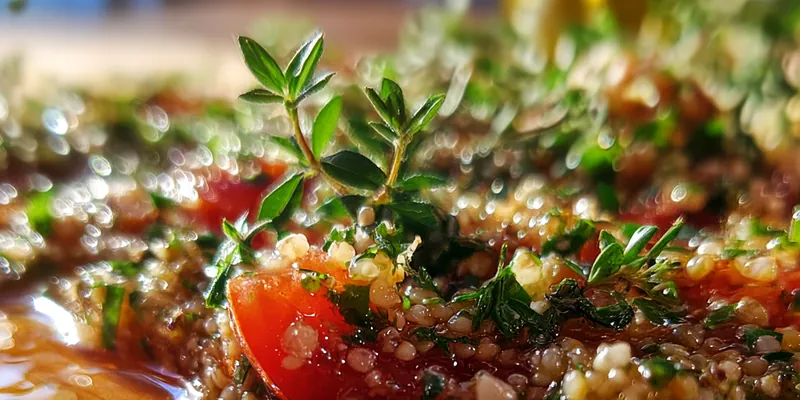
Why This Tabbouleh Works
This Tabbouleh recipe works because it employs a balance of fresh ingredients and proper technique. The key to a great Tabbouleh lies in the quality of the herbs and vegetables used; fresh and vibrant produce makes all the difference. Additionally, allowing the bulgur to soak adequately ensures it has the right texture, keeping the salad from becoming mushy. The dressing, made with olive oil and lemon juice, enhances the flavors without overpowering the fresh ingredients. This recipe also allows for flexibility in customization, making it perfect for various taste preferences.
What makes this Tabbouleh special is the combination of textures and flavors. The crunch of the cucumber and tomato complements the chewiness of the bulgur, while the herbs add a fragrant note that elevates the dish. The lemon juice brings a zesty brightness that balances the richness of the olive oil, creating a harmonious flavor profile. This salad not only looks beautiful but also serves as a nutritional powerhouse filled with vitamins and minerals. Whether served as a side or a main dish, Tabbouleh is a delightful addition to any meal.
💡 Professional Tip
For the best flavor, use freshly chopped herbs instead of dried ones. The freshness really elevates the dish and brings out the vibrant character of Tabbouleh. Additionally, experiment with the ratios of herbs to bulgur based on your taste preference; some may prefer a more herbaceous salad, while others might enjoy a more balanced approach. Chilling the salad before serving allows the flavors to meld beautifully, enhancing the overall taste. Lastly, don't hesitate to adjust the seasonings to make it your own!
Frequently Asked Questions
Yes, Tabbouleh can be made ahead of time, which actually allows the flavors to develop even further. It's best to prepare the salad a few hours in advance and keep it in the refrigerator until serving. However, if you plan to make it a day ahead, consider leaving out the tomatoes until just before serving to prevent them from becoming mushy. This makes Tabbouleh a great option for meal prep or potlucks, as it can be stored and enjoyed later.
If you're looking to switch things up, quinoa can be used as a gluten-free alternative to bulgur wheat. For the herbs, try using cilantro or basil for a different flavor profile, though parsley and mint are traditional. You can also add additional vegetables like bell peppers or radishes for extra crunch and color. Experimenting with different dressings, such as a yogurt or tahini-based dressing, can also transform the dish while retaining its essence.
You can tell Tabbouleh is ready when the bulgur has absorbed the water and is tender but still has a slight chew. The vegetables should be crisp and fresh, while the herbs are vibrant and fragrant. After mixing in the dressing, let it chill in the refrigerator for at least 30 minutes to allow the flavors to meld. Taste the salad before serving, adjusting the seasoning if needed, to ensure it's well-seasoned and flavorful.
Freezing Tabbouleh is not recommended, as the texture of the vegetables and herbs may suffer once thawed. The fresh ingredients do not freeze well, and the salad will likely become mushy. It's best to consume Tabbouleh fresh for the best flavor and texture. If you have leftovers, store them in the refrigerator and enjoy within a few days for optimal freshness.
Tabbouleh pairs beautifully with grilled meats like chicken, lamb, or fish, complementing their flavors with its refreshing taste. It's also an excellent side for Mediterranean dishes such as falafel or shawarma. Additionally, serve it alongside pita bread, hummus, or tzatziki for a complete meal. Tabbouleh can also be enjoyed on its own as a light and healthy lunch option, making it versatile for any occasion.
When stored in an airtight container in the refrigerator, Tabbouleh will last for about 3 to 4 days. As time passes, the vegetables may start to lose their crispness, so it's best enjoyed fresh. If you notice any excess liquid in the container, simply drain it off before serving. Always give the salad a good stir before serving to redistribute the flavors.
While Tabbouleh is not traditionally spicy, you can add a pinch of cayenne pepper or a dash of hot sauce to the dressing for a slight kick. Alternatively, finely chopped jalapeños can be mixed in if you prefer a more pronounced heat. Just remember to start with a small amount and adjust to your taste. Balancing the spice with additional lemon juice can also enhance the overall flavor without overpowering the dish.
Since Tabbouleh is typically served cold, reheating is not necessary and is generally not recommended. If you prefer to enjoy it warm, you can gently heat the bulgur alone and then mix it with the fresh ingredients. However, the salad is best enjoyed chilled to maintain its refreshing qualities. If you do reheat, keep it on low heat and serve immediately to avoid compromising the texture of the vegetables.
Recipe Troubleshooting Guide
Too Dry
Problem: If your Tabbouleh turns out too dry, it may be due to insufficient soaking of the bulgur or not enough dressing.
Solution: To fix this, add a bit more olive oil or lemon juice gradually, stirring well until the desired consistency is reached. You can also sprinkle a little water over the salad and mix it in to moisten it without overpowering the flavors.
Not Crispy
Problem: A lack of crispiness in Tabbouleh could stem from using wilted herbs or over-soaking the bulgur.
Solution: To remedy this, ensure you use fresh, vibrant herbs and avoid letting the bulgur soak for too long. If the salad is already made, add a little more fresh parsley or mint just before serving to boost freshness and texture.
Overcooked
Problem: If the bulgur is overcooked, it can lead to a mushy consistency which is not ideal.
Prevention: Unfortunately, overcooked bulgur cannot be fixed, but you can try to balance it by adding more vegetables or herbs to give it some texture. Alternatively, consider using it in soups or casseroles where the texture will not be as noticeable.
Undercooked
Problem: Undercooked bulgur will be hard and unpleasant to eat, resulting in a disappointing salad.
Recovery: If you encounter this, you can add a small amount of boiling water to the salad and let it sit covered for another 10-15 minutes until the bulgur softens. Fluff it with a fork, then add the vegetables and dressing as usual.
Burnt
Problem: Burnt flavors typically don’t apply to Tabbouleh, but if any of your ingredients were scorched during preparation, it can affect the taste.
Prevention: To mitigate this, make sure to chop and prepare all ingredients without any burnt elements. If the flavor persists, consider adding more fresh herbs and a squeeze of lemon juice to help mask the burnt taste.
Flavor Balance
Too Sweet: If your Tabbouleh is too sweet, it may be due to an excess of tomatoes or a dressing that is too sweet.
Too Salty: For an overly salty salad, try adding more bulgur or fresh vegetables to balance out the saltiness. This will help dilute the salty flavor without compromising too much on texture.
Bland: If your Tabbouleh lacks flavor, it might need more seasoning such as salt, lemon juice, or fresh herbs. Taste and adjust accordingly, adding a little at a time until the desired flavor is achieved.
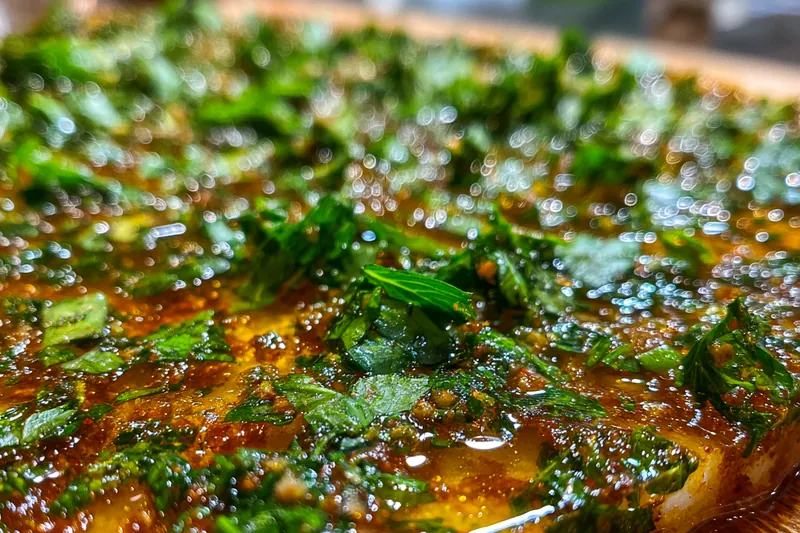
Key Ingredients
The main ingredient in Tabbouleh is bulgur wheat, a whole grain made from cracked wheat that provides a hearty base for the salad. Its nutty flavor complements the fresh herbs and vegetables, making it a nutritious choice. Fresh parsley and mint are essential to achieving the authentic taste of Tabbouleh, as they add brightness and depth. Tomatoes and cucumbers bring additional freshness and crunch, enhancing the overall texture of the salad. This combination of ingredients creates a dish that is both filling and refreshing.
Seasonings play a crucial role in Tabbouleh, with olive oil and lemon juice being essential for dressing the salad. Olive oil adds richness and helps to unify the flavors, while lemon juice provides a zesty brightness that cuts through the heaviness of the bulgur. Salt and pepper enhance the overall flavor, helping to bring out the natural tastes of the fresh ingredients. Balancing these seasonings is key to achieving the perfect Tabbouleh, ensuring it is flavorful without being overpowering.
Essential Ingredient Notes
- Main Ingredient: Bulgur wheat is the cornerstone of Tabbouleh, providing a chewy texture and nutty flavor. Opt for fine bulgur for a traditional texture, and ensure it's soaked properly for the best results. It’s a whole grain, making it a nutritious choice packed with fiber and protein. This ingredient is not only healthy but also incredibly versatile, suitable for various salads and dishes.
- Second Key Ingredient: Fresh parsley is vital for authentic Tabbouleh, as it adds a vibrant color and essential flavor. Use flat-leaf parsley for a more robust taste, and chop it finely to release its aromatic oils. The quantity of parsley can be adjusted based on personal preference, as some may prefer a more herbaceous salad. It’s packed with vitamins and minerals, making it a healthy addition to your meal.
- Essential Seasoning: Lemon juice is an essential component in Tabbouleh, providing a bright and tangy flavor that enhances the freshness of the salad. Freshly squeezed lemon juice is preferred over bottled for its superior taste. The acidity helps to balance the richness of the olive oil and the earthiness of the bulgur. Adjust the amount of lemon juice based on your taste preferences to achieve the desired level of acidity.
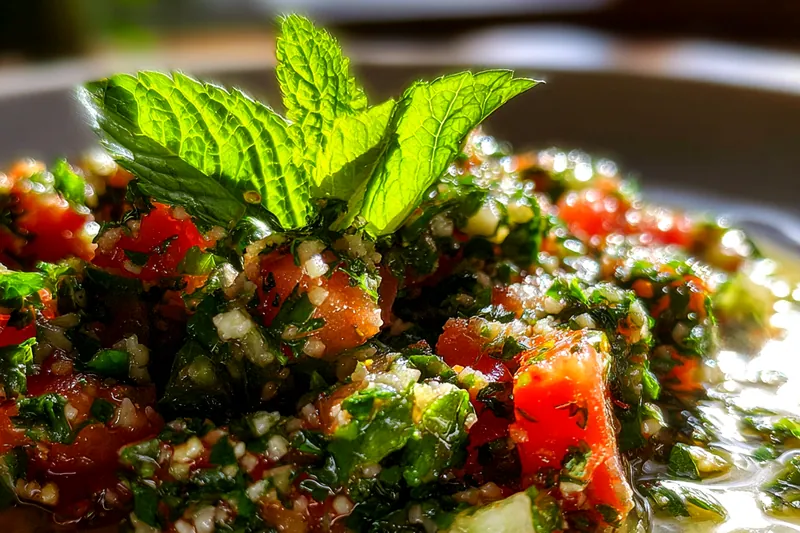
Cooking Process
The cooking process for Tabbouleh is straightforward, starting with soaking the bulgur in boiling water to achieve the perfect texture. This method allows the grains to absorb moisture and soften without cooking them on the stove. While the bulgur soaks, prepare the fresh vegetables and herbs by chopping them finely, ensuring a balanced mix in every bite. Once the bulgur is ready, fluff it up to separate the grains and mix it with the chopped ingredients.
After combining the bulgur with the vegetables and herbs, the next step is to dress the salad with olive oil and lemon juice. This step is crucial for flavor; make sure to adjust the seasoning to taste. Allowing the salad to chill in the refrigerator for at least 30 minutes will enhance the flavors, making Tabbouleh even more delicious. Serve it cold or at room temperature as a refreshing accompaniment to any meal.
Key Technique
The key technique for making Tabbouleh lies in the proper preparation of the bulgur. Soaking it in boiling water allows the grains to soften without becoming mushy, ensuring the right texture. Additionally, finely chopping the herbs and vegetables is essential for a harmonious mix, allowing each element to complement the others. The final step is to let the salad rest in the refrigerator, as this will let the flavors meld beautifully, enhancing the overall taste of the dish.
Tabbouleh
📋 Ingredients
Main Ingredients
- 1/4 cup olive oilAdds richness and flavor
- 1/4 cup lemon juiceProvides brightness and acidity
- Salt to tasteEnhances flavor
- Pepper to tasteAdds seasoning
Sauce/Seasoning
- 1 cup bulgur wheatBase of the salad
- 2 cups boiling waterUsed to soak bulgur
- 1/2 cup fresh parsley, finely choppedKey herb
- 1/4 cup fresh mint, finely choppedAdds freshness
- 1 large tomato, dicedProvides juiciness
- 1/2 cucumber, dicedAdds crunch
- 1/4 cup green onions, choppedFor flavor
Instructions
Prepare the Bulgur
In a bowl, combine bulgur wheat with boiling water. Cover the bowl and let it sit for about 30 minutes until the bulgur absorbs the water and becomes tender.
Chop the Vegetables
While the bulgur is soaking, finely chop the parsley, mint, tomato, cucumber, and green onions. Ensure everything is cut into small, uniform pieces for even distribution in the salad.
Combine Ingredients
Once the bulgur is ready, fluff it with a fork and add the chopped vegetables and herbs. Mix well to combine all ingredients evenly.
Dress the Salad
In a separate bowl, whisk together the olive oil, lemon juice, salt, and pepper. Pour this dressing over the bulgur and vegetable mixture, combining everything thoroughly.
Chill and Serve
Cover the salad and refrigerate for at least 30 minutes to allow the flavors to meld. Serve chilled or at room temperature.
Recipe Notes & Tips
Storage Tips
Store leftover Tabbouleh in an airtight container in the refrigerator for up to 3-4 days. Keep in mind that the texture of the vegetables may soften over time, so it's best enjoyed fresh. If the salad becomes too dry after storage, simply add a bit more olive oil or lemon juice before serving. Avoid freezing Tabbouleh, as the fresh ingredients do not hold up well in the freezer.
Serving Ideas
Tabbouleh is a versatile salad that can be served as a side dish or a light meal. Pair it with grilled meats, such as chicken or lamb, for a complete Mediterranean feast. It also complements dishes like falafel or shawarma beautifully. For a light lunch, enjoy it on its own or with pita bread and hummus.
Variations
Feel free to customize your Tabbouleh by adding different vegetables like bell peppers or radishes for added crunch. You can also experiment with different herbs, such as cilantro or basil, to create your own unique flavor profile. For a protein boost, consider adding chickpeas or feta cheese. Adjust the dressing with spices like cumin or sumac for an added twist.